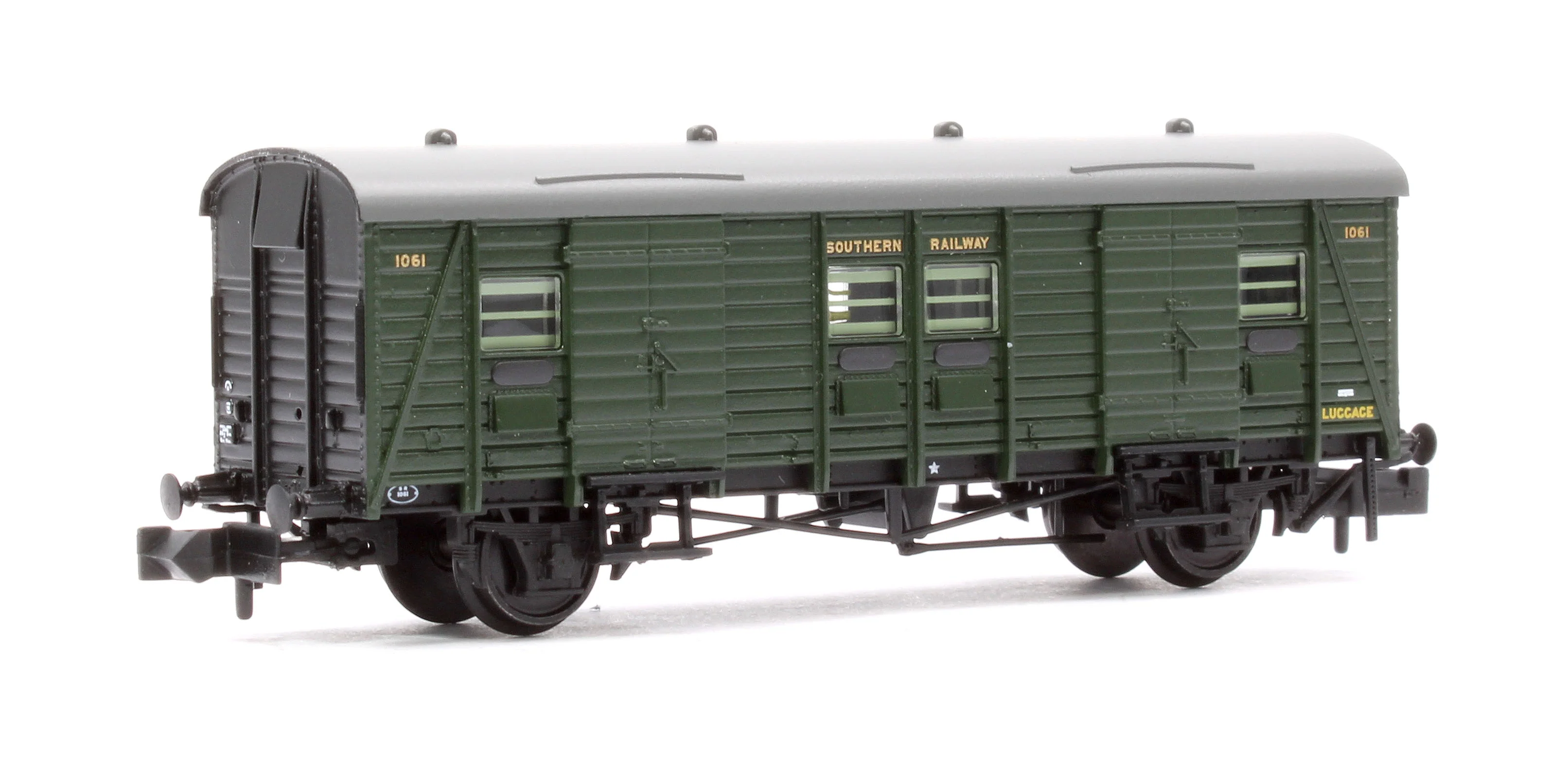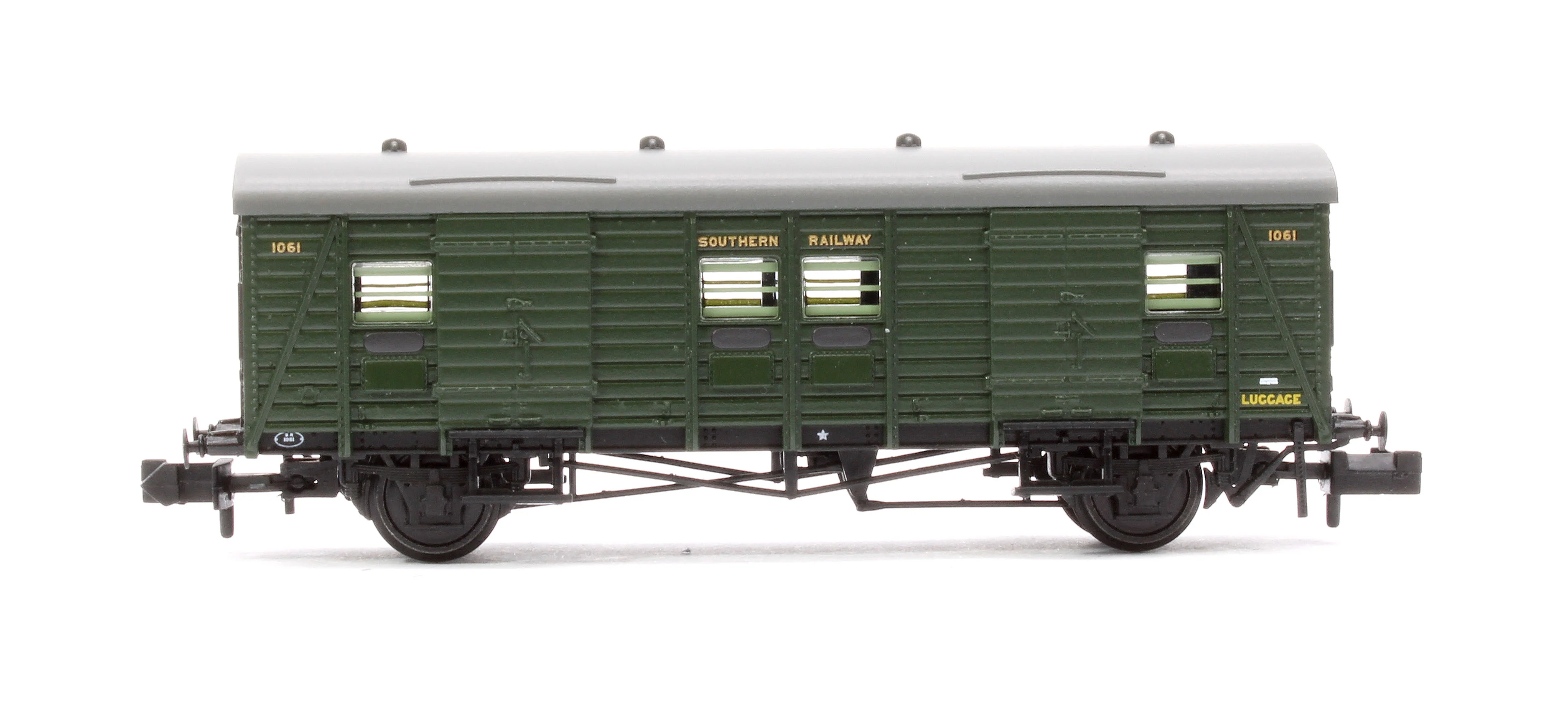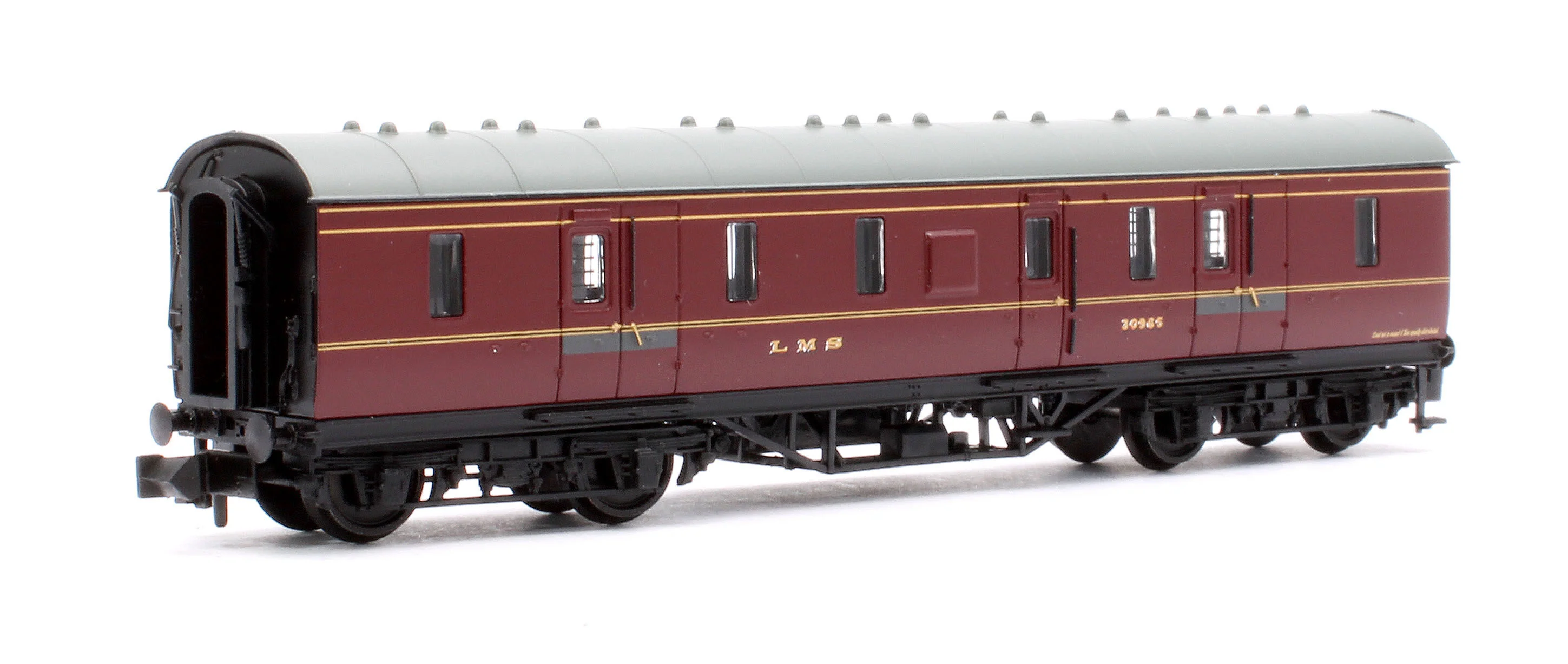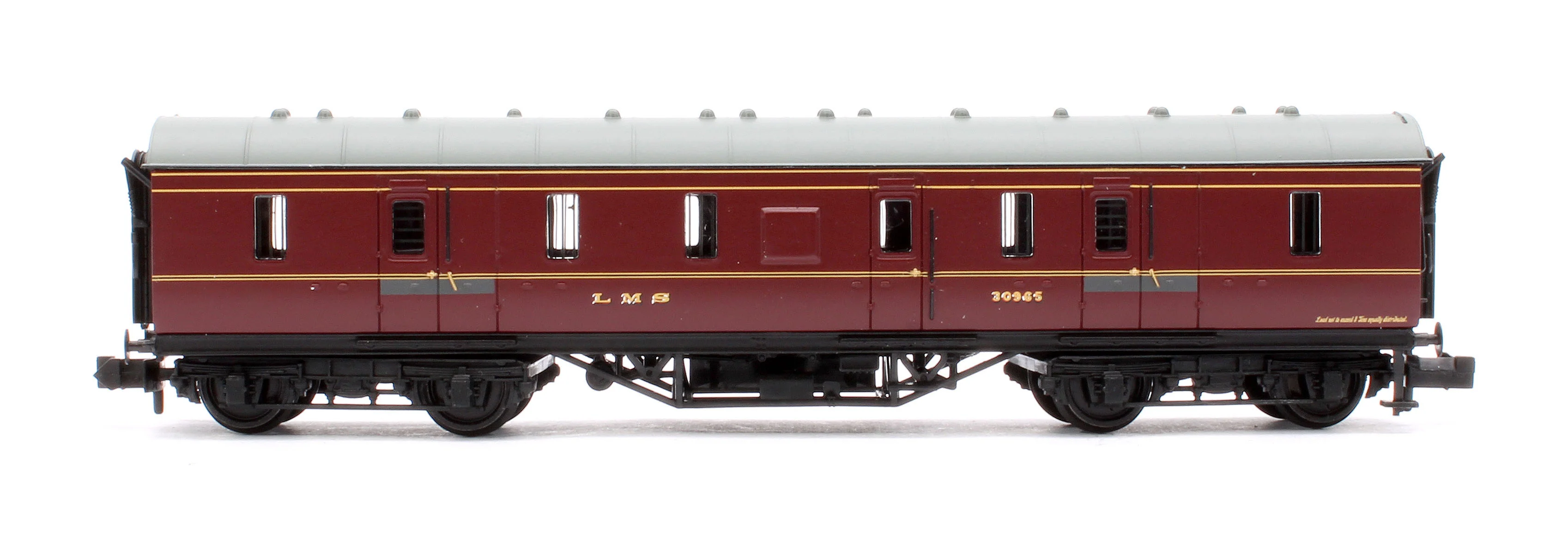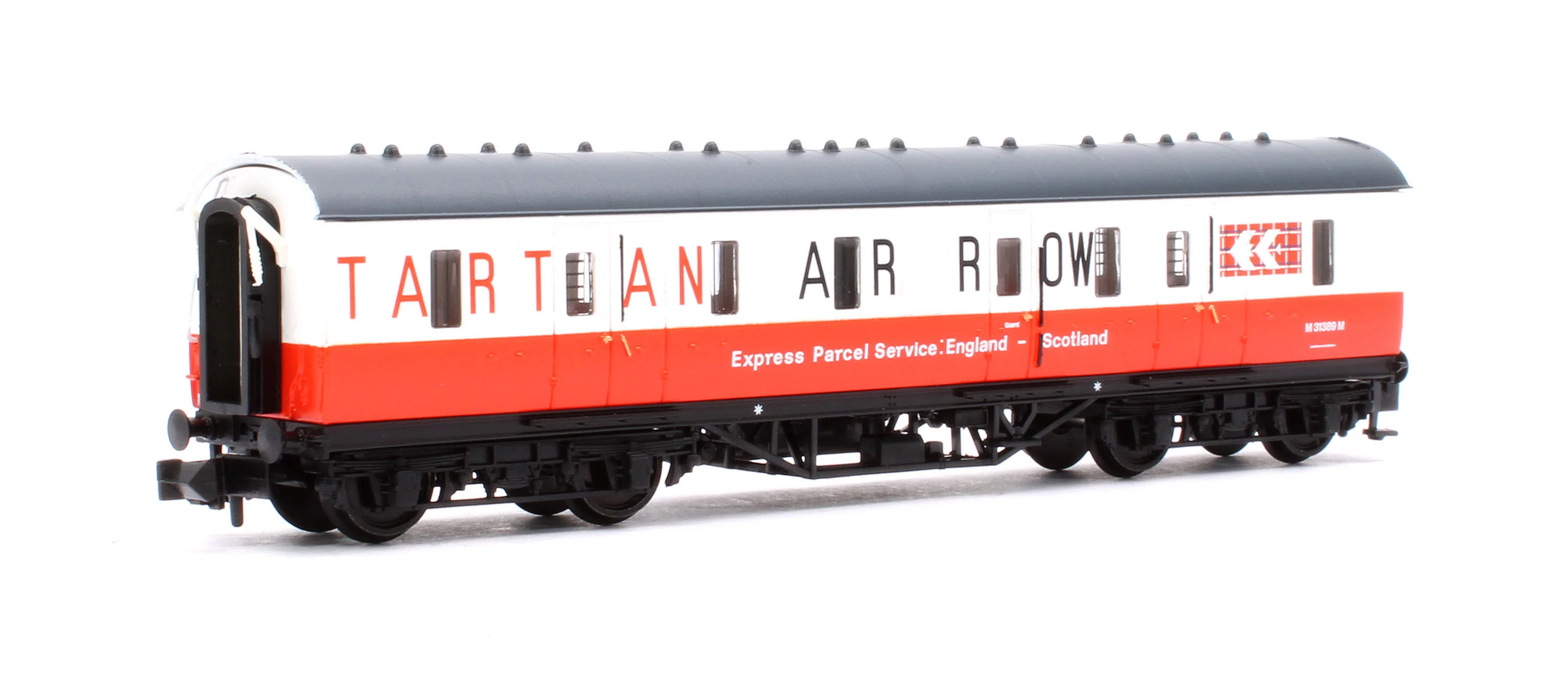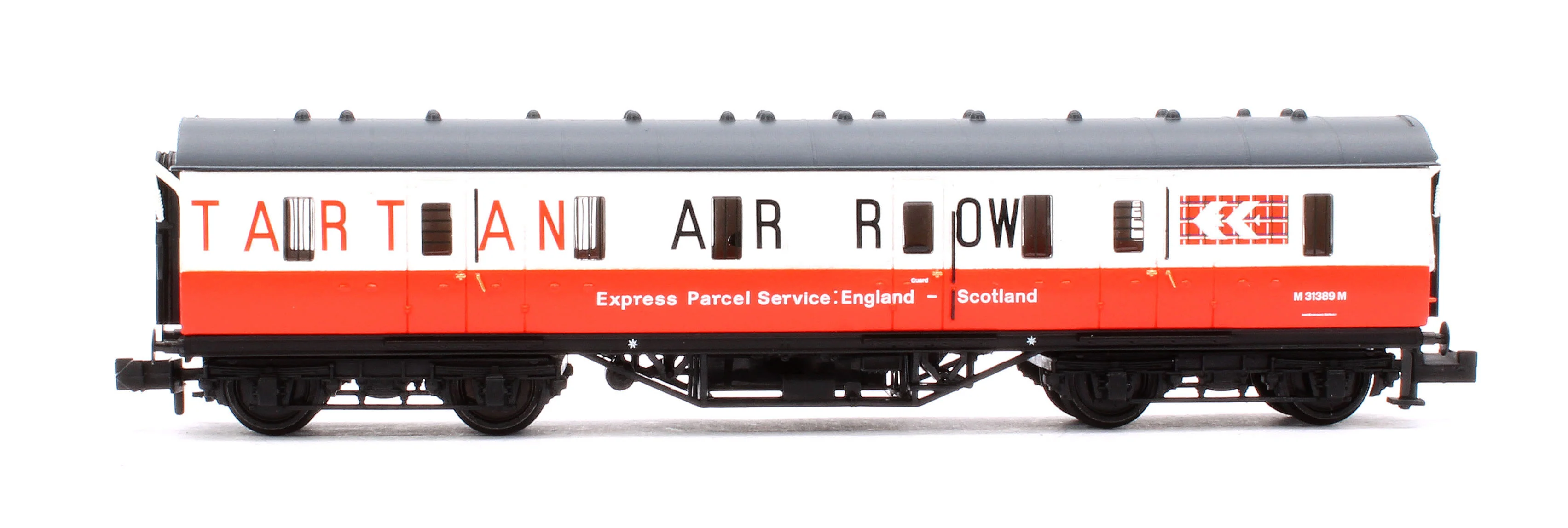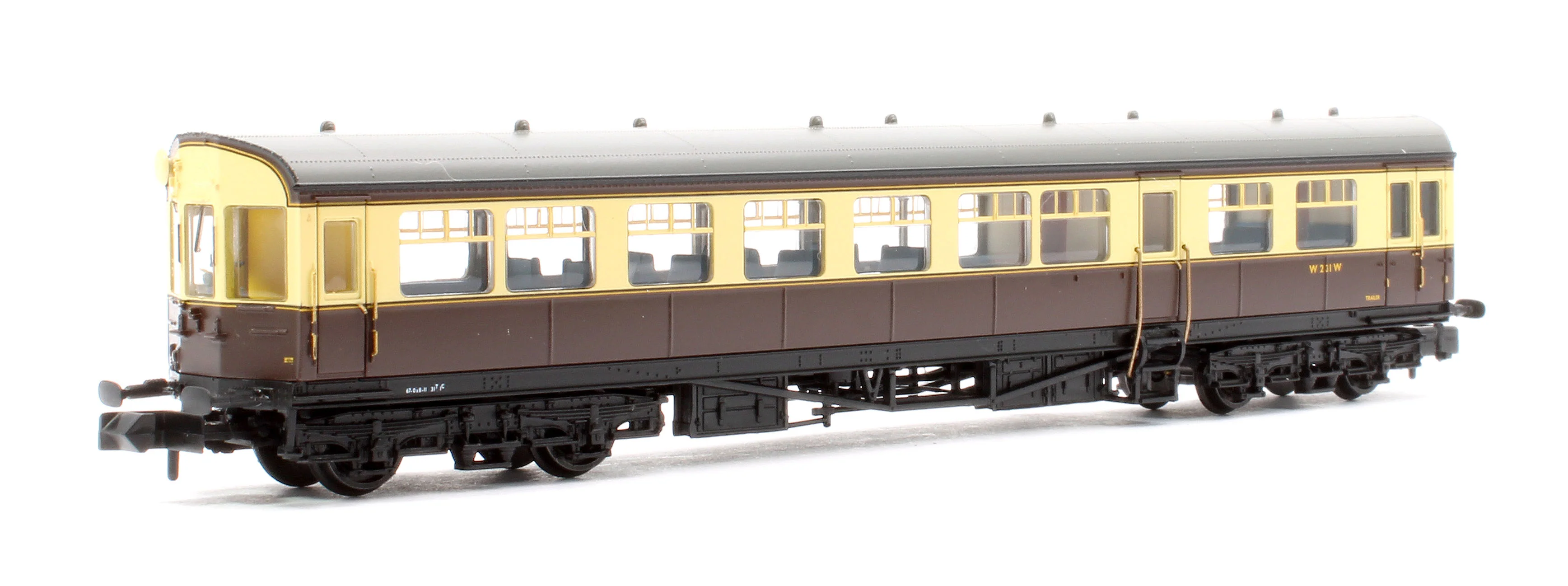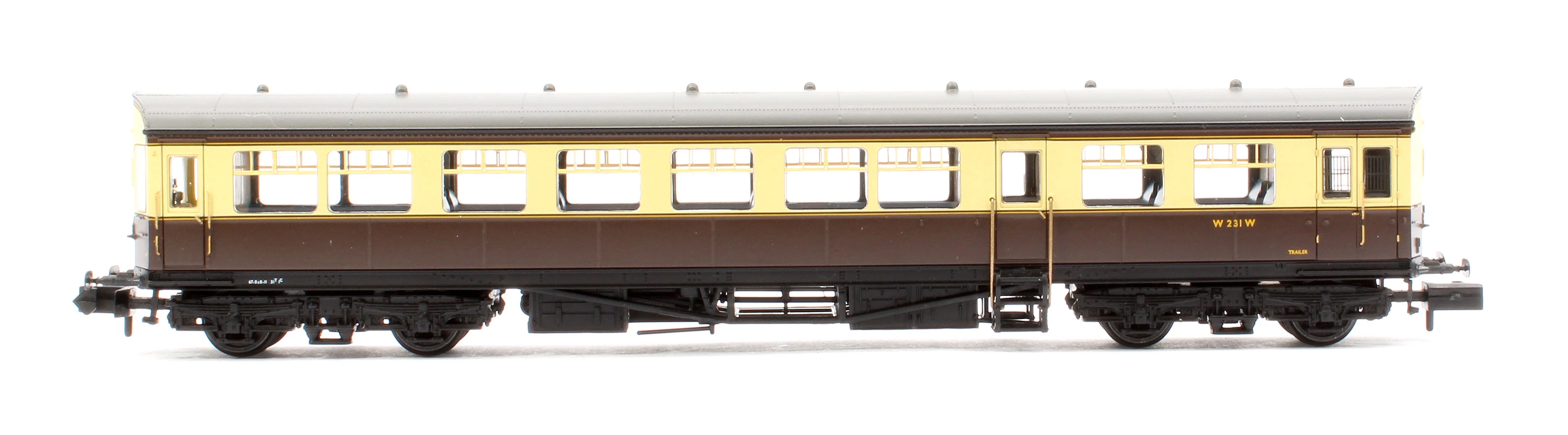

TT4074A MK3 TS Trailer Standard First Great Western 42073
Expected Delivery September 2026 (Subject to Change at Manufacturer's Discretion).
This highly detailed and meticulously designed Mk3 TS Coach depicts Trailer Second No. 42073 in First Great Western Green, Gold and White scheme.
The Class 43 HST Power Cars and Mk3 trailing coaches have been a mainstay of the Hornby OO and TT:120 ranges for many years and this latest collection allows you to build a fully prototypical eight-car train, which is sure to make a statement on your TT:120 layout! Each Mk3 vehicle has been carefully researched and features correct tooling depending on the type, expertly adorned with accurate colours and typefaces, and coach lettering.
Model Specification:
- Highly detailed model of Mk3 Trailer Second
- Defined bogie mouldings
- Detailed underframe and roof
- Moulded interior
- Kinematic NEM coupling mechanism
- Accessory pack.
Livery:
- First Great Western Green, Gold and White, commonly referred to as ‘Fag Packet’ livery
- ‘D’ coach number decals
- Semi-gloss finish
- Faithfully created using accurate colours and fonts
- Era 9.
History:
BR developed the Mark 3 in response to improved comfort provided by airline companies and the convenience provided by the family car, both of which were taking traffic away from the railways in the early 1970s.
Originally conceived as locomotive-hauled stock, the first to be produced were for the prototype HST in 1972. The first production vehicles entered service in 1975 and continued to be built until 1988.
Although outwardly similar to the Mark 2 carriage, it is of a completely different design, having a ridged roof and underframe skirt, whereas its predecessor had a smooth roof and visible below-frame equipment.
The body is 75ft-long (23m), which is 10ft (3m) longer than the Mk2. It is also of full monocoque construction (one piece body shell) with an all-welded mild steel, stressed skin. To give it a superior smooth ride, it also has secondary air suspension and disk-brakes fitted to the wheels (rather than clasp brakes) which allow for running at speeds of up to 125mph (200km/h) and efficient deceleration.
The Mk3 HST coaches differ from the Mk3A loco-hauled coaches mainly in terms of the electrical arrangements, but are otherwise much the same. These HST coaches take their supply from a three-phase electrical supply directly from an auxiliary alternator in the power car, whereas the Mk3A convert the single-phase AC supply from the locomotive through motor generator units under the floor, which change the train supply to three-phase.
Product Information
Product Information
Shipping & Returns
Shipping & Returns
Description
Expected Delivery September 2026 (Subject to Change at Manufacturer's Discretion).
This highly detailed and meticulously designed Mk3 TS Coach depicts Trailer Second No. 42073 in First Great Western Green, Gold and White scheme.
The Class 43 HST Power Cars and Mk3 trailing coaches have been a mainstay of the Hornby OO and TT:120 ranges for many years and this latest collection allows you to build a fully prototypical eight-car train, which is sure to make a statement on your TT:120 layout! Each Mk3 vehicle has been carefully researched and features correct tooling depending on the type, expertly adorned with accurate colours and typefaces, and coach lettering.
Model Specification:
- Highly detailed model of Mk3 Trailer Second
- Defined bogie mouldings
- Detailed underframe and roof
- Moulded interior
- Kinematic NEM coupling mechanism
- Accessory pack.
Livery:
- First Great Western Green, Gold and White, commonly referred to as ‘Fag Packet’ livery
- ‘D’ coach number decals
- Semi-gloss finish
- Faithfully created using accurate colours and fonts
- Era 9.
History:
BR developed the Mark 3 in response to improved comfort provided by airline companies and the convenience provided by the family car, both of which were taking traffic away from the railways in the early 1970s.
Originally conceived as locomotive-hauled stock, the first to be produced were for the prototype HST in 1972. The first production vehicles entered service in 1975 and continued to be built until 1988.
Although outwardly similar to the Mark 2 carriage, it is of a completely different design, having a ridged roof and underframe skirt, whereas its predecessor had a smooth roof and visible below-frame equipment.
The body is 75ft-long (23m), which is 10ft (3m) longer than the Mk2. It is also of full monocoque construction (one piece body shell) with an all-welded mild steel, stressed skin. To give it a superior smooth ride, it also has secondary air suspension and disk-brakes fitted to the wheels (rather than clasp brakes) which allow for running at speeds of up to 125mph (200km/h) and efficient deceleration.
The Mk3 HST coaches differ from the Mk3A loco-hauled coaches mainly in terms of the electrical arrangements, but are otherwise much the same. These HST coaches take their supply from a three-phase electrical supply directly from an auxiliary alternator in the power car, whereas the Mk3A convert the single-phase AC supply from the locomotive through motor generator units under the floor, which change the train supply to three-phase.